DESIGN PAPER 002
Why distinct voices strengthen a connected body of work.
There is a temptation, when several companies and houses belong to one body of work, to make them all speak in the same voice.
It appears orderly. It makes the relationship between them immediately obvious. It also risks diminishing everything that makes each one worth developing.
The work is connected, but it is not interchangeable. Each house has its own history, audience, responsibilities and future. Giving each one its own voice is not an exercise in separation. It is how the integrity of the whole is preserved.

One Body of Work
Sampson Mordan & Co., Links London, Roberts & Co., Leuchars and English Art Works occupy different positions within a connected portfolio.
They share direction and increasingly support one another. Research informs restoration. Restoration improves knowledge. Historic pieces influence future design. Editorial work provides a wider cultural setting in which these things can be properly understood.
This relationship matters, but it does not turn the houses into departments of a single brand.
They are not personal projects or interchangeable names. Each must be allowed to develop as a serious house, company or specialist business with an identity capable of extending beyond any one collection, campaign or individual.
Coherence should come from shared standards and considered direction—not from making everything look and sound the same.
A House Is More Than Its Name
A house contains more than a name, logo or collection of products.
It carries its own design language, accumulated knowledge, historical associations, vocabulary and expectations. It develops a particular relationship with the people who encounter, collect and live with its work.
Sampson Mordan & Co. must be able to speak about silver, invention, design history and surviving pieces with the authority those subjects require.
Links London must distinguish carefully between the present-day house, original Links of London jewellery, The Vault and the work that may follow.
Leuchars must establish its own understanding of travelling goods, dressing cases, silver and personal accessories rather than becoming another historic name expressed through somebody else’s language.
English Art Works needs the materially informed voice of a working studio: careful, practical and close to the pieces themselves.
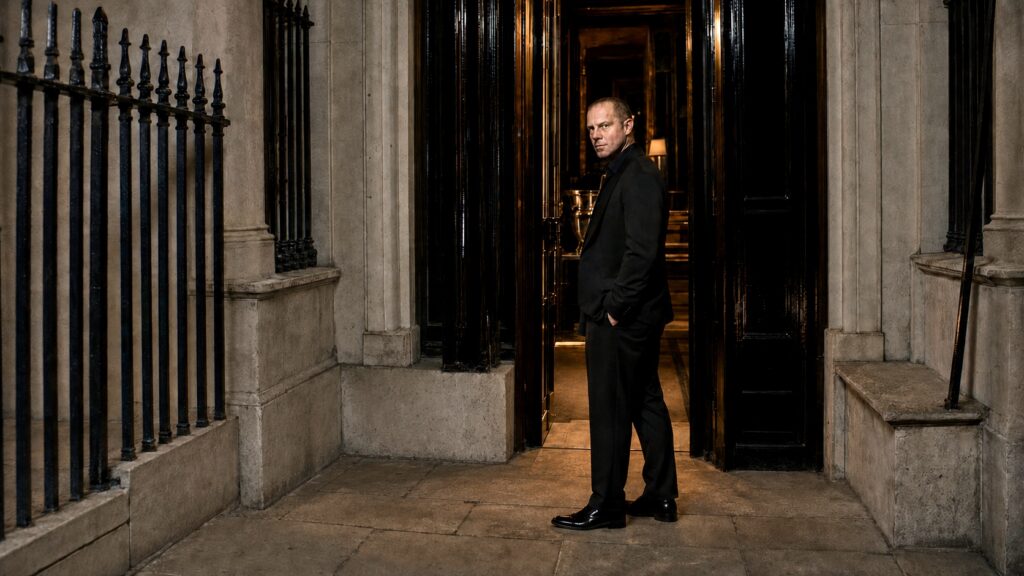
Roberts & Co. has a different story again. It was established by me in 2007 and can speak directly from that experience.
These distinctions are not decorative. They determine what each house may credibly say and what people should expect from it.
Authority Belongs Closest to the Work
The clearest public voice should usually belong to the place where the knowledge and responsibility reside.
Historical research concerning Sampson Mordan should sit within the Sampson Mordan Design Archive. Original Links of London jewellery should be documented by Links London through The Vault and its own archive. Restoration principles and workshop knowledge belong with English Art Works.
This gives each house both authority and accountability.
It also creates necessary clarity. A customer, collector or researcher should be able to identify who is speaking, what that speaker is qualified to say and where further evidence or assistance may be found.
The wider portfolio can connect these areas, but it should not absorb their individual authority.
The Role of the Company
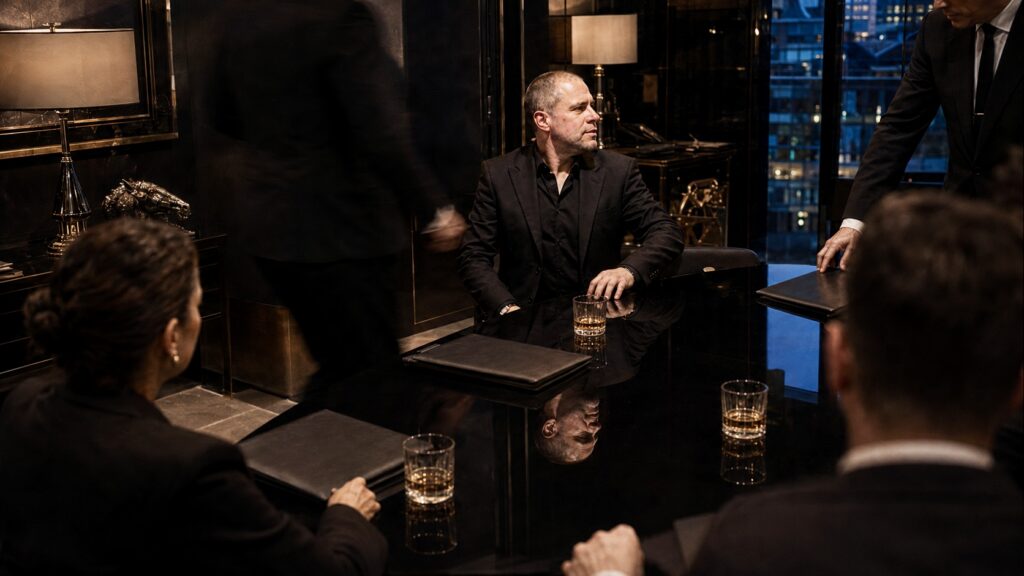
The Company of Extraordinary Companies provides the portfolio structure.
Its purpose is to support the careful development of British brands, specialist businesses and cultural work. It can provide direction, coordination and shared capabilities where these are useful.
It does not need to narrate every historical discovery, introduce every piece or speak on behalf of every house.
Its role is closer to stewardship: establishing the conditions in which the individual businesses can develop properly, work together where appropriate and retain the distinctions that give them value.
A shared structure should strengthen a house—not flatten it.
The Role of Roberts London
Roberts London occupies a different position.
It began as a jewellery-company blog, developed into a guide to London and has gradually become the cultural and editorial voice of the wider work.
Its territory is broader than that of any individual house: London, shops, streets, people, craftsmanship, design, hospitality and the experience of living and working in the city.
This allows Roberts London to move between subjects that would feel misplaced within a commercial, technical or historical house publication. It can observe, document and interpret the wider setting in which the work exists.
It should not, however, become a collective marketing department or replace the houses’ own media channels. It can introduce connections and provide context, but each house must retain the ability to speak directly about its own work.

My Role
My role is to provide leadership and creative direction across this connected body of work.
There will naturally be a recognisable point of view. Decisions concerning design, presentation, restoration, research and development do not take place in isolation. The same principles often influence work across several houses.
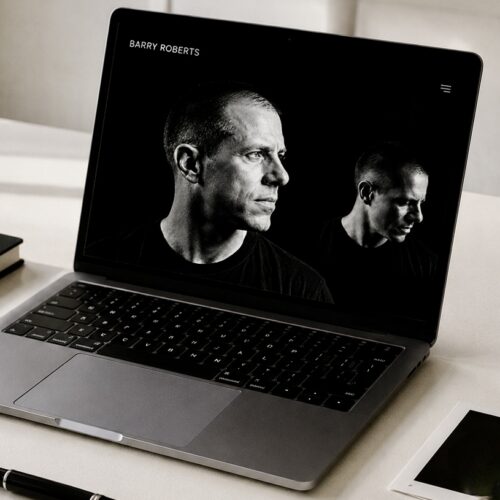
My own website provides a place to record those decisions, explain relationships and consider the thinking that connects the portfolio.
It should not turn the houses into extensions of a personal brand.
The ambition is for each house to become more completely itself. My responsibility as Chief Executive and Creative Director is not to make every part of the portfolio imitate me—or one another—but to understand what each can credibly become and help create the conditions for that development.
Different Voices, Shared Standards
Separate voices do not require separate values.
The houses may differ in history, vocabulary, audience and character while remaining connected by deeper standards:
- care in the treatment of people and pieces;
- clarity about what is historic, what is present and what is intended;
- respect for evidence;
- patience in development;
- seriousness about craftsmanship;
- commercial discipline;
- usefulness;
- and an interest in work capable of lasting.
These principles should be recognisable throughout the portfolio without becoming a script repeated by every house.
A shared standard is valuable. A shared personality imposed everywhere is not.
Room to Develop
Not every part of the portfolio is at the same stage, nor should it pretend to be.
Some houses already have substantial histories, surviving work and established areas of knowledge. Others are developing their public presence, commercial direction or future collections. English Art Works currently concentrates on owned stock and work within the portfolio. Benevolence is being developed quietly towards its intended charitable and values-led purpose.
Separate voices allow each to communicate at the pace appropriate to its actual position.
They create room for one house to be active while another remains considered and restrained. They also prevent future ambition from being confused with present activity.
This is particularly important when working with historic names. Development must be allowed to proceed through knowledge, evidence and credible work—not through the appearance of instant completeness.
A House Must Speak for Itself
The relationship between the houses should become clearer as the work develops, but clarity does not require uniformity.
The Company can explain the structure. Roberts London can interpret the wider cultural setting. I can discuss the decisions and principles connecting the work. Each house must nevertheless speak with its own authority about its own history, work and future.
That distinction is deliberate.
The portfolio becomes stronger when its constituent houses are understood individually. Their separate voices create greater precision, greater responsibility and more room for genuine character.
The work is connected.
The houses are distinct.
Each must be allowed to speak for itself.